Dance is more than just a form of expression; it's a language that transcends barriers, connects individuals, and tells stories through movement. The world of dance is as diverse as it is intricate, and at the heart of nurturing new talent lies the fundamental role of dance academies. These institutions serve as incubators for future choreographers, shaping their skills, aesthetics, and perspectives. In this article, we explore The Influence of Dance Academies on Future Choreographers, diving deep into various facets such as training methodologies, mentorship opportunities, and industry connections.
What is a Dance Academy?
A dance academy is an educational institution dedicated to the art of dance. These academies provide structured programs that cater to various styles—ballet, contemporary, jazz, hip-hop, and more. They aim to equip aspiring dancers and choreographers with the necessary skills to excel in their craft.
Types of Dance Academies
Professional Training Schools- Focused on preparing students for professional careers. Often affiliated with major dance companies.
- Emphasize inclusivity and accessibility. Offer classes for all ages and skill levels.
- Provide comprehensive education including theory and performance. Often culminate in degrees related to dance.
- Cater to global audiences with virtual classes. Frequently offer flexibility for students with varied schedules.
Mission of Dance Academies
The primary mission of most dance academies is to cultivate talent while fostering creativity. They aim to provide:
- High-quality instruction Opportunities for performance Exposure to various genres Networking prospects within the industry
The Importance of Training in Dance Academies
Training at a dance academy can be transformational for aspiring choreographers. It provides foundational knowledge and exposure that are crucial in developing a unique artistic voice.
Skill Development: The Core Curriculum
Dance academies typically follow a rigorous curriculum designed to hone various skills:
- Technique Mastery: Fundamental movements that form the basis for advanced choreography. Creativity Workshops: Classes aimed at enhancing improvisational skills. Composition Studies: Understanding how to create original works.
Physical Conditioning: Building Resilience
Physical fitness is paramount in dance. Most academies emphasize:
- Strength training Flexibility routines Injury prevention techniques
These elements ensure that future choreographers can perform at their best while minimizing the risk of injury.
Mentorship Opportunities: Nurturing Future Talent
One of the standout features of attending a dance academy is access to mentorship from experienced professionals.
Connecting with Industry Veterans
Many academies invite guest instructors who are seasoned choreographers or dancers themselves. This allows students to learn directly from those who have navigated the complexities of the industry.
Benefits of Mentorship
- Personalized guidance tailored to individual strengths. Insider knowledge about auditioning processes and career pathways. Networking opportunities that can lead to collaborations down the line.
Peer Collaboration: Learning from Fellow Students
Within these academies, students often collaborate on projects or performances:
- Encouraging teamwork enhances interpersonal skills. Sharing ideas fosters creativity among peers.
The Artistic Environment: Fueling Creativity
The atmosphere within a dance academy plays a vital role in shaping future choreographers' artistic outlooks.
Inspiration Through Diversity
Most academies attract a diverse student body:
- Exposure to different cultures influences choreography styles. Collaborative projects may blend various genres into unique works.
Performance Opportunities: Showcasing Talent
Regular showcases allow students to perform publicly:
Student Recitals Competitions Community Events
These experiences build confidence and stage presence—essential qualities for any successful choreographer.
Networking: Building Industry Connections
Attending a reputable dance academy opens doors within the dance community.
Accessing Auditions and Workshops
Academy connections often lead students directly into auditions or workshops hosted by well-known companies or artists:
Invitations based on faculty recommendations can be invaluable. Alumni networks provide ongoing support throughout one’s career.Creating Lasting Relationships
Networking isn’t just about immediate opportunities; it’s about building lasting relationships that can benefit future projects:
- Collaborations often emerge from friendships formed during training. Alumni frequently return as guest teachers or mentors, keeping connections alive across generations.
The Evolution of Choreography Through Education
Choreography evolves continuously; therefore, staying updated with trends is essential for aspiring choreographers trained in dance academies.
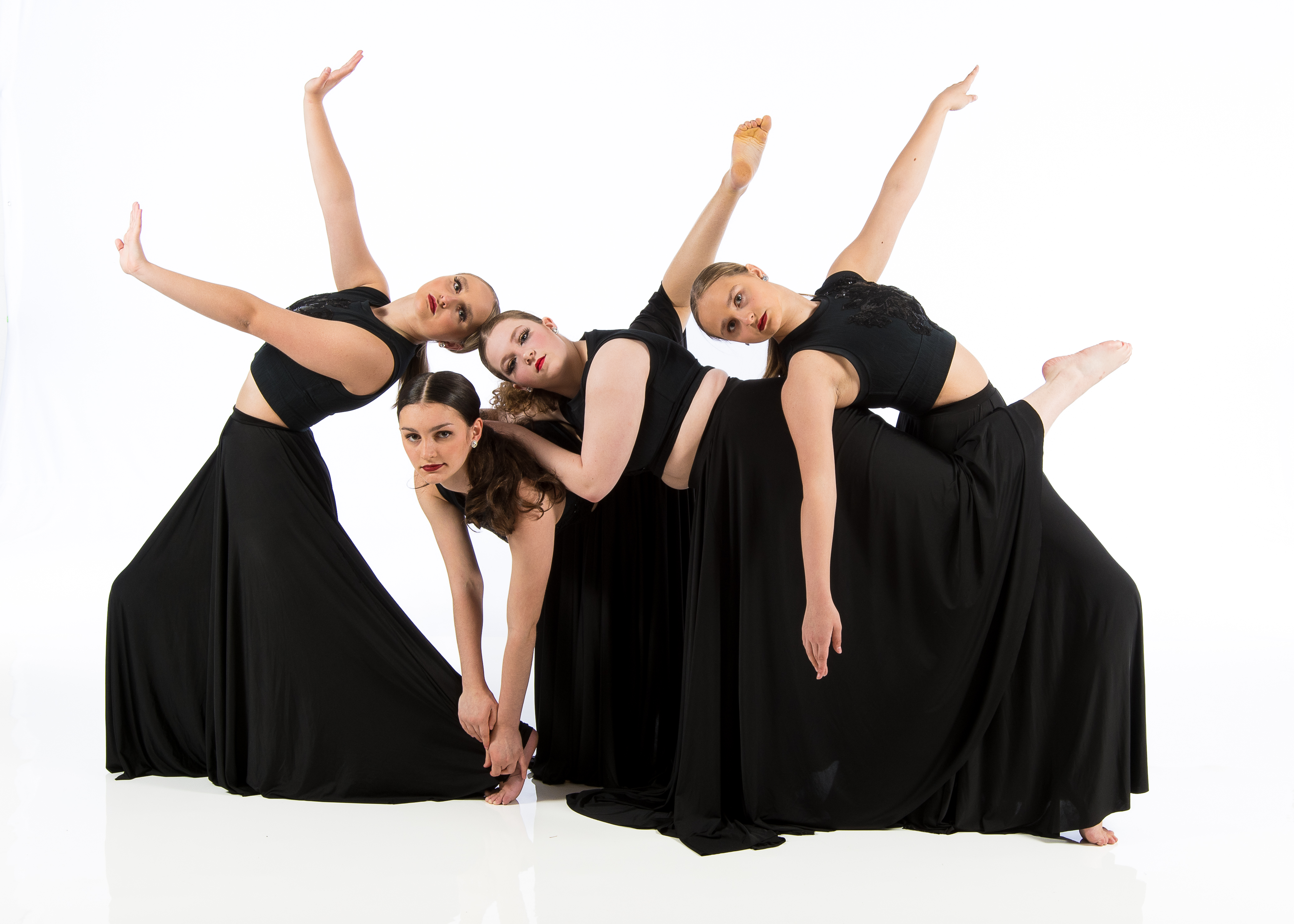
Incorporating Technology into Choreography Education
With advancements in technology, many academies now integrate digital tools into their curricula:
Video editing software allows students to record rehearsals and analyze performances critically. Online platforms enable remote collaboration between dancers from different locations.Cross-disciplinary Approaches: Fusing Art Forms
Future choreographers are encouraged website to explore intersections between disciplines such as theater, music composition, and visual arts:
This holistic approach enriches their creative toolkit. Exposure leads them toward innovative choreography methods unexplored by traditional means.Challenges Faced by Aspiring Choreographers in Academies
While many advantages exist within dance academies, challenges also arise during training periods which must be acknowledged:
Balancing Technique with Creativity
Students often struggle with balancing technical precision while embracing artistic expression:
How do you maintain both?
Finding this balance requires continuous effort—a constant push towards growth while staying true to one's artistic instincts.
FAQs About Dance Academies
Q1: What age should I start attending a dance academy? A: While there’s no strict age limit, many dancers begin training as young as 5 years old; however, starting later doesn’t preclude achieving success!
Q2: Are scholarships available for dance academies? A: Yes! Many institutions offer financial aid based on merit or need—research your options thoroughly!
Q3: Can I pursue other studies while attending a dance academy? A: Absolutely! Many students successfully juggle academics alongside their passion for dancing—time management is key!
Q4: Is it necessary to have prior experience before joining an academy? A: Not necessarily! Some programs cater specifically toward beginners—you’ll find your niche!
Q5: What styles will I learn at a typical dance academy? A: Most offer diverse genres ranging from ballet and jazz through contemporary—all depending on each institution's curriculum!
Q6: How important are performances during my time at an academy? A: Performances play an essential role—they help build confidence & stage presence while allowing you showcase your skills!
Conclusion
In conclusion, it’s clear that the influence of dance academies on future choreographers cannot be overstated. These institutions not only provide technical training but also foster creativity through mentorships and collaborative experiences among peers—all essential elements leading toward success in today’s dynamic art world! Whether you're considering enrolling yourself or encouraging someone else—you’re investing into something truly transformative!
By understanding how these factors interrelate—it becomes evident why so many aspiring artists choose this path—and ultimately thrive because they did! So if you've ever dreamt about becoming part of this vibrant community—now’s your chance—step boldly forward!